
Blog · November 6, 2026 · 8 min read
The largest property claims ever sent to appraisal
From the World Trade Center to a $187 million hurricane award on Pensacola Beach, the biggest appraisals on the public record run on the same clause as a hail claim in Weld County. This post walks through those cases and the court rulings that shaped them.
Nobody keeps an official list of the largest appraisal awards. Appraisal is a private process. Most awards are paid without a court ever seeing them, and many are kept confidential by agreement. The ones the public knows about are the ones that ended up in a courtroom, usually because one side asked a judge to confirm the award or throw it out.
That record still includes some remarkable claims, among them one of the largest property insurance claims ever made. Going through them is a good way to see what appraisal does, because the rules that governed a multibillion-dollar dispute in Manhattan are the same rules that govern a roof in Loveland.
The World Trade Center
In the summer of 2001, Silverstein Properties leased the World Trade Center from the Port Authority of New York and New Jersey. The lease required it to insure the complex, and its broker placed a primary layer and eleven excess layers with more than thirty insurers, roughly $3.5 billion of property coverage per occurrence. By September 11, only one of those insurers had issued a final policy. The rest were bound by the binders they had signed.

The damage was far beyond $3.5 billion, and the first fight was over a question appraisal could not answer: was the attack one occurrence or two? Two occurrences would roughly double the available limits. That is a question about what the policy means, so it went to the federal courts in Manhattan, under the case name SR International Business Insurance Co. v. World Trade Center Properties.
The answer depended on which policy wording each insurer had agreed to. For the insurers bound to the broker’s form, which defined an occurrence to include “one series of similar causes,” the Second Circuit held in 2003 that the two planes, sixteen minutes apart in one coordinated attack, were a single occurrence. For other insurers the wording was different, and a jury decided. On December 6, 2004, it found that the attack was two occurrences for nine insurers that together had written about $1.1 billion of the coverage. Lawyers in the case put the maximum recovery at about $4.6 billion.
Then came the amount. Deciding the number of occurrences settled how much coverage was available. It did not settle what the loss was. That was left to a three-person appraisal panel.
What followed shows how appraisal and the courts work side by side on a very large loss. The panel valued the claim, and whenever the parties disagreed about what the policy required the panel to measure, they went back to the judge. Among the rulings:
- In 2005 the court held that the period of restoration for the rental income claim was the theoretical time needed to rebuild with reasonable speed, not however long the actual rebuilding took.
- In 2006 it held that the period was measured by rebuilding the complex as it stood before the attack, not a redesigned complex built to new safety and political demands. The policies, the court wrote, did not insure against “technological change and shifts in the political winds.”
- In 2007 it held that the panel could not consider evidence about rebuilding a structurally different World Trade Center, but could consider real-world evidence such as post-attack rental rates and vacancy figures, and give it whatever weight it thought appropriate.
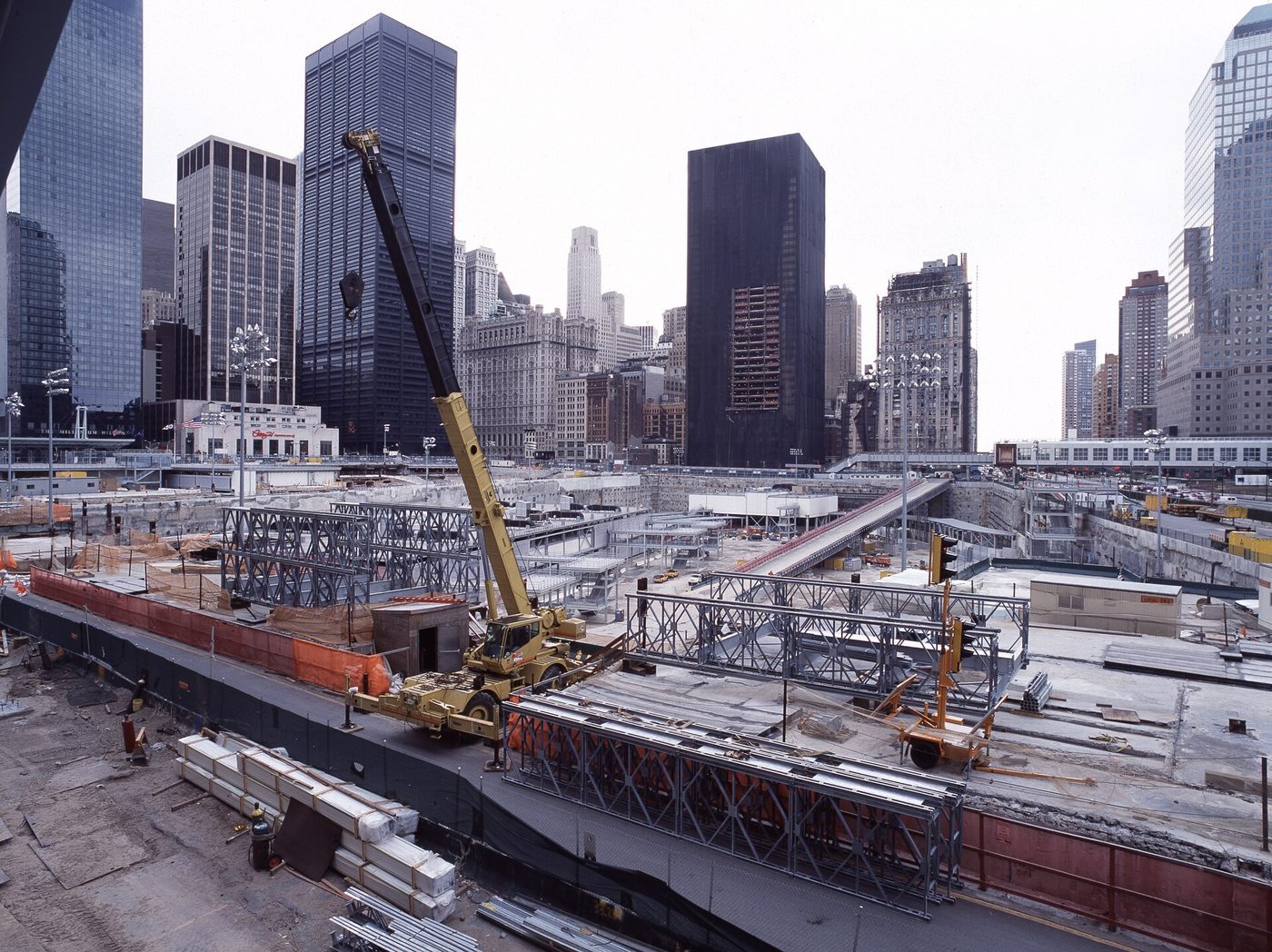
The appraisal did not run to a public final award for the towers. In March 2007 the parties began mediation before retired New York Court of Appeals Judge Albert Rosenblatt, and in May seven insurers agreed to pay $2 billion. With the $2.55 billion other insurers had already paid, Silverstein’s recovery came to about $4.55 billion, or 97.2 percent of the $4.68 billion maximum that the court rulings had set.
The pattern is the one built into every appraisal clause. The courts decided what the policy meant, down to what the panel was allowed to measure. The appraisal panel was there to put a number on the loss.
A drugstore under the towers
One smaller World Trade Center case makes the same point from the other side. Duane Reade had a store in the complex, and an appraisal panel found that it was owed $4,300,561 under the policy’s extended recovery period, the coverage for lost income that continues after a business reopens.
The store was never rebuilt at the World Trade Center. The district court refused to confirm that part of the award, and in 2005 the Second Circuit agreed: the extended recovery period applies only once the property has actually been replaced. The panel’s number was not the problem. Whether that coverage applied at all was a policy question, and appraisal does not decide those.
Portofino Towers: a $187 million award, then a new appraisal
The largest hurricane appraisal award on the public record came out of Hurricane Sally, which struck the Pensacola area in September 2020. Portofino Towers is a five-building high-rise condominium complex on Pensacola Beach, insured by a group of thirteen insurers.
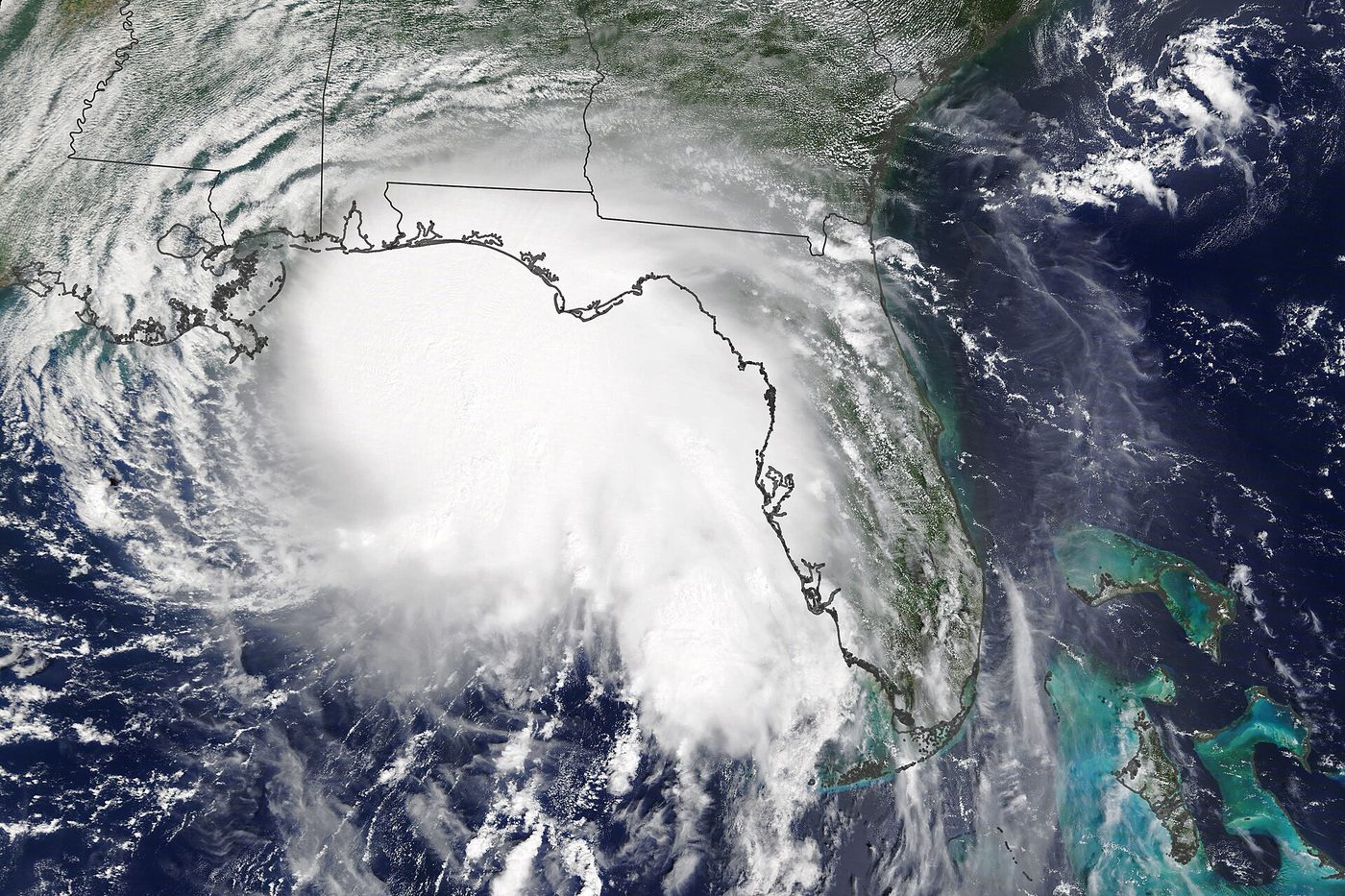
During the appraisal, the insurers’ appraiser valued the loss at about $18 million. The association’s appraiser submitted a statement of loss of about $233 million, which he described as a starting point. The umpire then issued an award totaling $187 million, in seven parts delivered between February and July 2023.
In the fall of 2025, the federal court in Pensacola threw the award out. The court found that the association’s appraiser never stated an amount of loss as the policy requires, and that this failure was misconduct under Florida law. It granted summary judgment to the insurers and ordered a new appraisal before a new panel. The court decided the case on those grounds and did not reach the insurers’ other arguments.
The association appealed to the Eleventh Circuit. In March 2026, one of the insurers, Westchester Surplus Lines, reached a confidential settlement with the association, subject to the court’s approval. Other insurers were reported to have settled as well. As of this writing we have not seen a final public resolution for every carrier.
The size of the award made the news, but the lesson applies to a claim of any size. Each appraiser’s job is to state the amount of loss, item by item. An umpire’s job is to decide the items the two appraisers cannot agree on. When one side’s appraiser gives the umpire a range of possibilities to choose from, the award is open to challenge.
A church in Odessa and a deadline missed by one day
In First Baptist Church of Odessa v. Brotherhood Mutual Insurance Co., a federal court in West Texas vacated an appraisal award of about $56 million in February 2022. The umpire had withdrawn, and the church asked a state court to appoint a replacement. Under the policy it had to give the appraisers a set period to agree on a new umpire first, and the court found the church filed one day too early. Because the request came too soon, the court held, the state court had no authority to appoint the umpire who issued the award.
The court ruled on that ground alone and called its order interim. Even so, it shows that a very large award can be lost over a filing date that had nothing to do with the damage.
Closer to home: Copper Oaks
Colorado’s best-known vacated award is far smaller, but it involves the same principles. In 2018, a federal court in Colorado vacated an appraisal award of $2,873,085.35 in a hail claim brought by the Copper Oaks Master Home Owners Association in Lakewood against American Family Mutual Insurance Co.
The court found that the association’s appraiser had a direct material interest in the amounts the appraisal determined and had not disclosed the relevant facts, and that the umpire was not fair and impartial. With the award vacated, the association had no appraised amount on which to base its breach of contract claim.
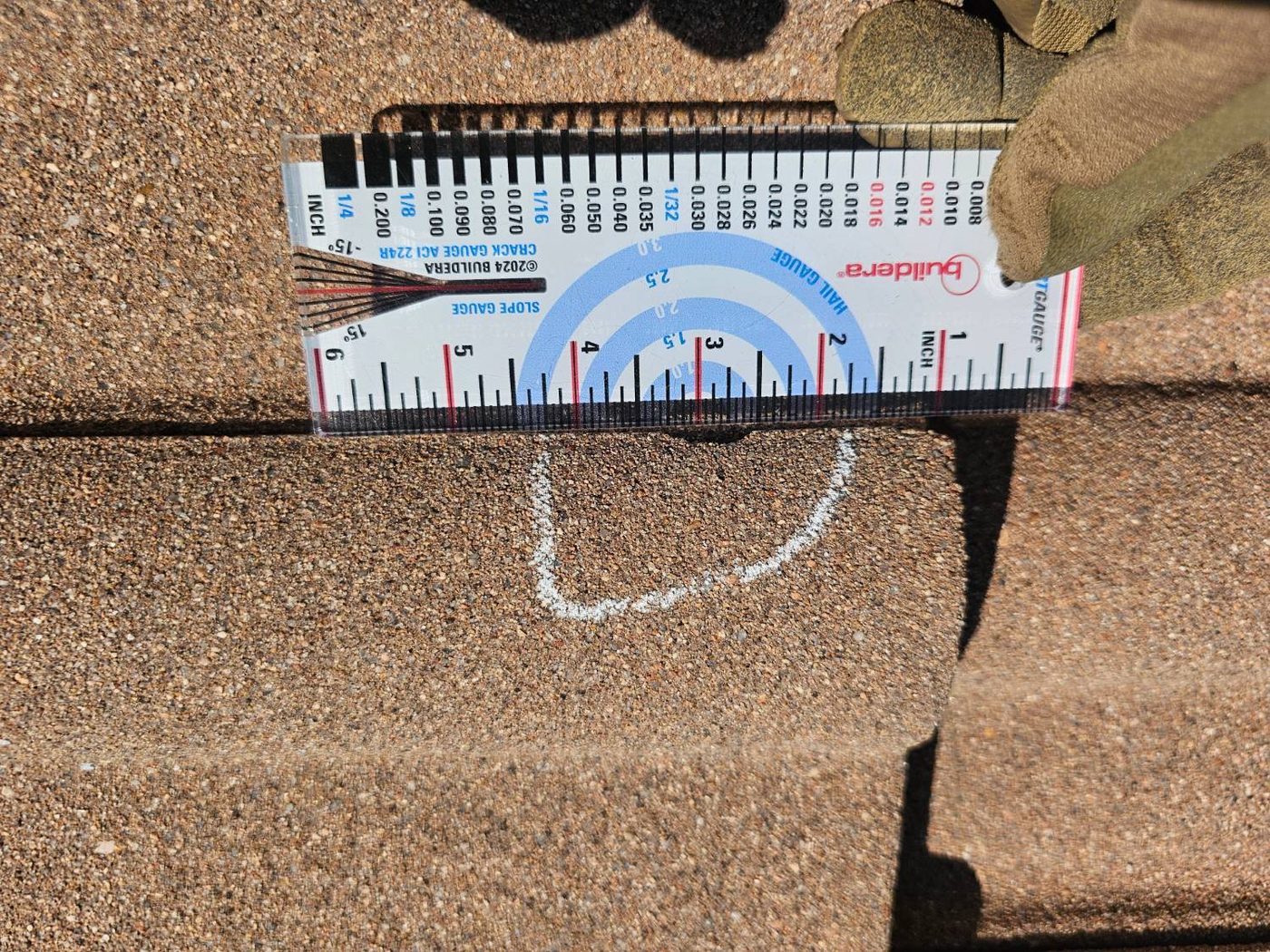
Colorado has since gone further. In 2019 the Colorado Supreme Court held in Owners Insurance Co. v. Dakota Station II Condominium Association that an appraiser who must be impartial may not act as an advocate for the side that appointed them, and the Division of Insurance’s Bulletin B-5.26 sets out what it expects of appraisers and umpires, including that an appraiser have no financial interest in the outcome.
What the biggest appraisals have in common
Set side by side, these cases say the same few things.
Appraisal decides the amount, and the courts decide the policy. At the World Trade Center, judges and a jury decided the number of occurrences and the scope of the rental income claim. The panel’s job was the value. Duane Reade’s award stood or fell on a coverage question, not on the math. In Colorado the panel may also decide whether the storm caused the disputed damage, because that is part of the amount of loss, but it still does not interpret the policy.
Each appraiser has to commit to a number. Portofino’s $187 million award was vacated because one appraiser’s figure was a starting point rather than an amount of loss. That means an itemized figure for every line.
The deadlines in the clause are real. Many policies give each side twenty days to name an appraiser and give the appraisers fifteen days to agree on an umpire. The church in Odessa shows what can happen when one is missed by a single day.
Impartiality protects the award. An award signed by an appraiser with a stake in the outcome is an award the other side can attack. In Colorado, Copper Oaks showed the risk, and Dakota Station and Bulletin B-5.26 now set the standard.
The clause that ran through the World Trade Center claim is, in its working parts, the same paragraph in a homeowners policy in Greeley or Fort Collins. Most appraisals never come near a courtroom. They get there when the process is skipped or rushed. When it is done carefully, appraisal is usually the quickest way to settle what a loss is worth.
If you have a claim where the dispute is the amount of loss, email us at Appraisals@HeidmannAndAssociates.com with the claim number, the carrier’s estimate and your contractor’s estimate, and we will tell you whether it is a fit for appraisal.
Sources: Scott G. Johnson, “Ten Years After 9/11: Property Insurance Lessons Learned,” Tort Trial & Insurance Practice Law Journal, Spring-Summer 2011; World Trade Center Properties, L.L.C. v. Hartford Fire Insurance Co., 345 F.3d 154 (2d Cir. 2003); SR International Business Insurance Co. v. World Trade Center Properties, LLC (S.D.N.Y. rulings of 2005, 2006 and 2007); Duane Reade, Inc. v. St. Paul Fire & Marine Insurance Co., 411 F.3d 384 (2d Cir. 2005); Associated Press reporting on the December 2004 verdict; Business Insurance, May 27, 2007; Insurance Business, October 16, 2025; Claims Journal, March 6, 2026 and July 26, 2018; First Baptist Church of Odessa v. Brotherhood Mutual Insurance Co., No. 7:18-cv-00208 (W.D. Tex. Feb. 9, 2022); Owners Insurance Co. v. Dakota Station II Condominium Association, 2019 CO 65. This article is a general summary of public court records and news reports. It is not legal advice, policy wording controls, and the rules differ from state to state. Historical and satellite images are public domain, via Wikimedia Commons, the Library of Congress and NASA.