
Blog · October 27, 2026 · 7 min read
Where the appraisal clause came from
The idea behind appraisal goes back to English marine insurance, and the clause itself is more than 130 years old. How it grew out of merchant practice and nineteenth-century fire insurance, why the courts accepted it, and why it still decides only the amount of loss.
The appraisal paragraph in a property policy reads like something written recently. It is not. Its working parts, the two appraisers, the umpire and the award signed by any two of them, were in fire insurance policies before 1900, and the version most policies still follow was enacted in New York in 1943.
Where it came from explains a good deal about how it works today, and especially why it is limited to the amount of loss.
Before fire insurance: merchants and ships
Insurance disputes were being settled outside the courts long before anyone insured a house against fire. Marine insurance came first. London merchants were insuring ships and cargo by the 1500s, and their policies often said how a disagreement would be handled. One English policy from 1555 told the parties to “remit it to honest merchants, and not to go to law.”
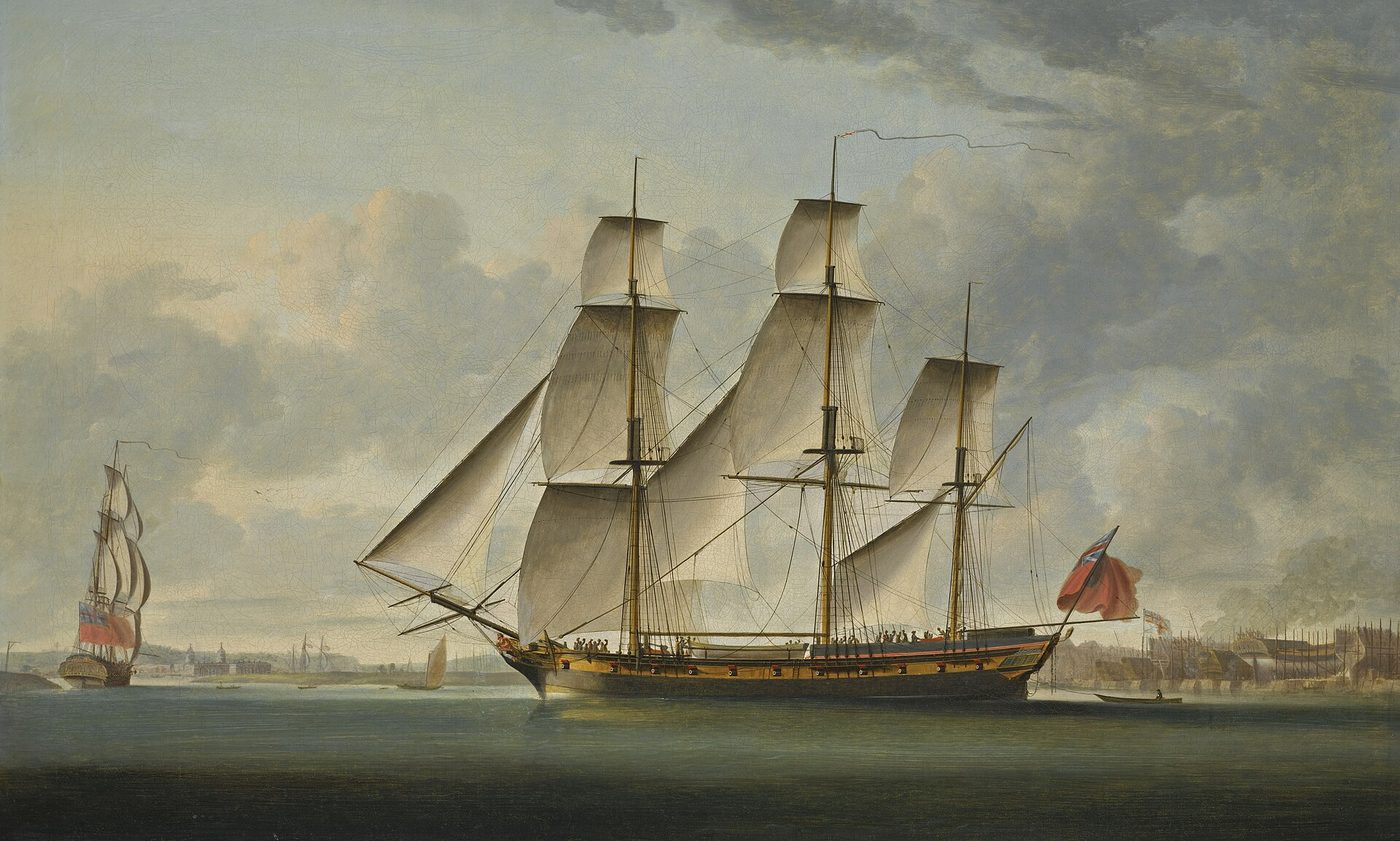
Parliament wrote that practice into law in 1601. The Act concerning Matters of Assurances amongst Merchants recited that disputes over policies had been settled by experienced merchants appointed by the Lord Mayor of London, because they understood the business and could decide quickly. The Act set up a standing commission to hear insurance cases: the Admiralty judge, the Recorder of London, two civil lawyers, two common lawyers and eight “grave and discreet merchants.” Francis Bacon spoke for the bill in the House of Commons.
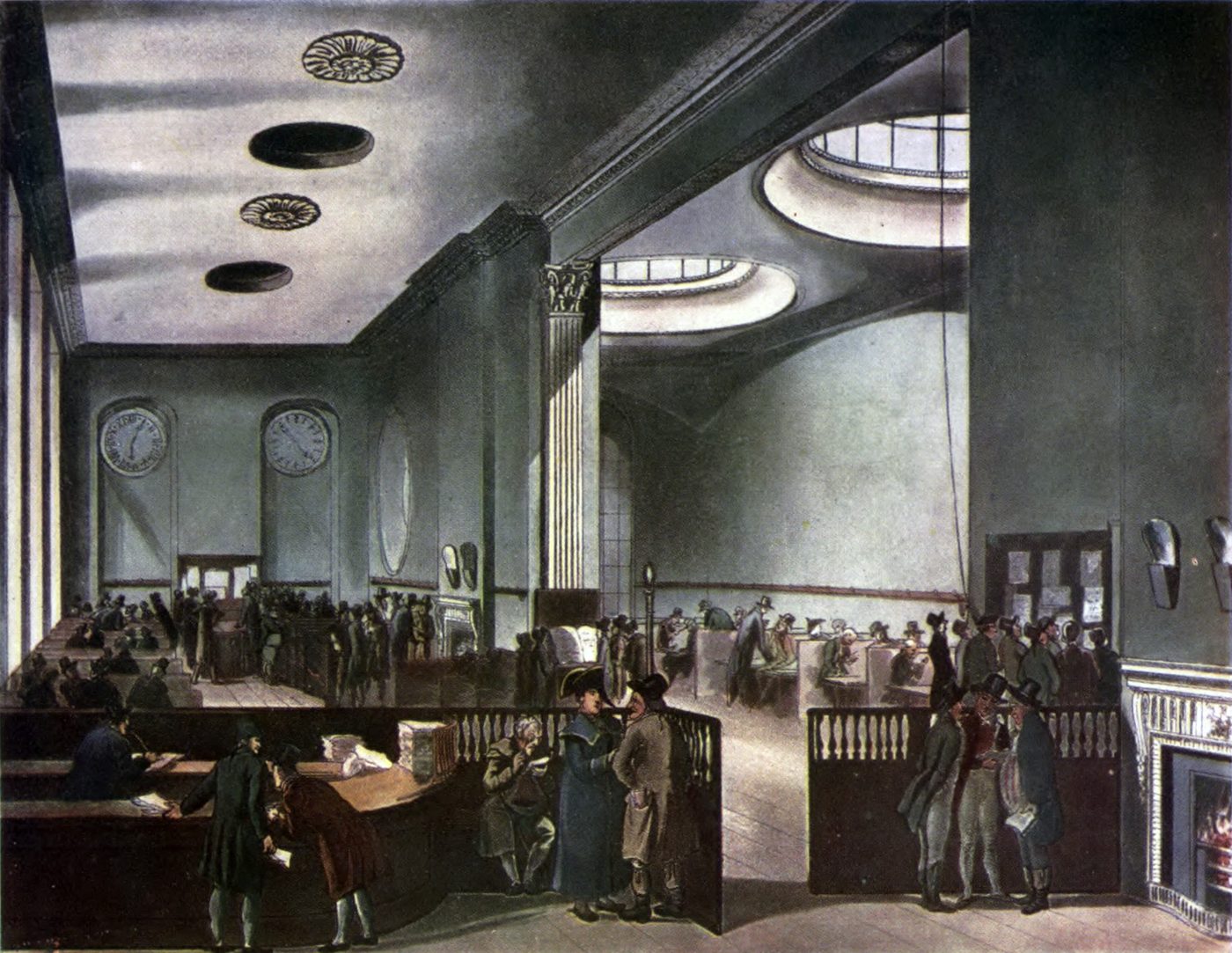
The thinking behind it is the thinking behind appraisal today. A question about what a loss is worth is best answered by people who know the trade, and answered quickly.
None of this is a direct ancestor of the paragraph in a homeowners policy. The word appraisement in old marine cases usually refers to valuing a ship, and the modern clause was written for fire insurance. What carried over was the principle.
Fire insurance and the first standard policy
Through much of the nineteenth century, fire insurers wrote their own policy forms, and the conditions in them varied from company to company. States began prescribing standard policies to bring order to that, and Massachusetts was first, in 1873.
The Massachusetts policy did not contain an appraisal clause as we know it. It sent any difference of opinion about the rights of the parties under the policy to three disinterested referees, and their majority decision bound both sides. That was arbitration of the whole dispute, liability included.
The courts and the ouster problem
American courts of the period were wary of contracts that took disputes away from them. An agreement that sent an entire claim to private referees could be attacked as an attempt to oust the courts of their jurisdiction, and courts often refused to enforce such agreements.
England had already pointed toward a way through, and again it came from marine insurance. In Scott v. Avery (1856), a dispute over the amount payable on a policy covering a ship, the House of Lords upheld a clause requiring the amount to be settled by arbitration before anyone could sue. The question of liability stayed with the courts. Only the figure went to the arbitrators.
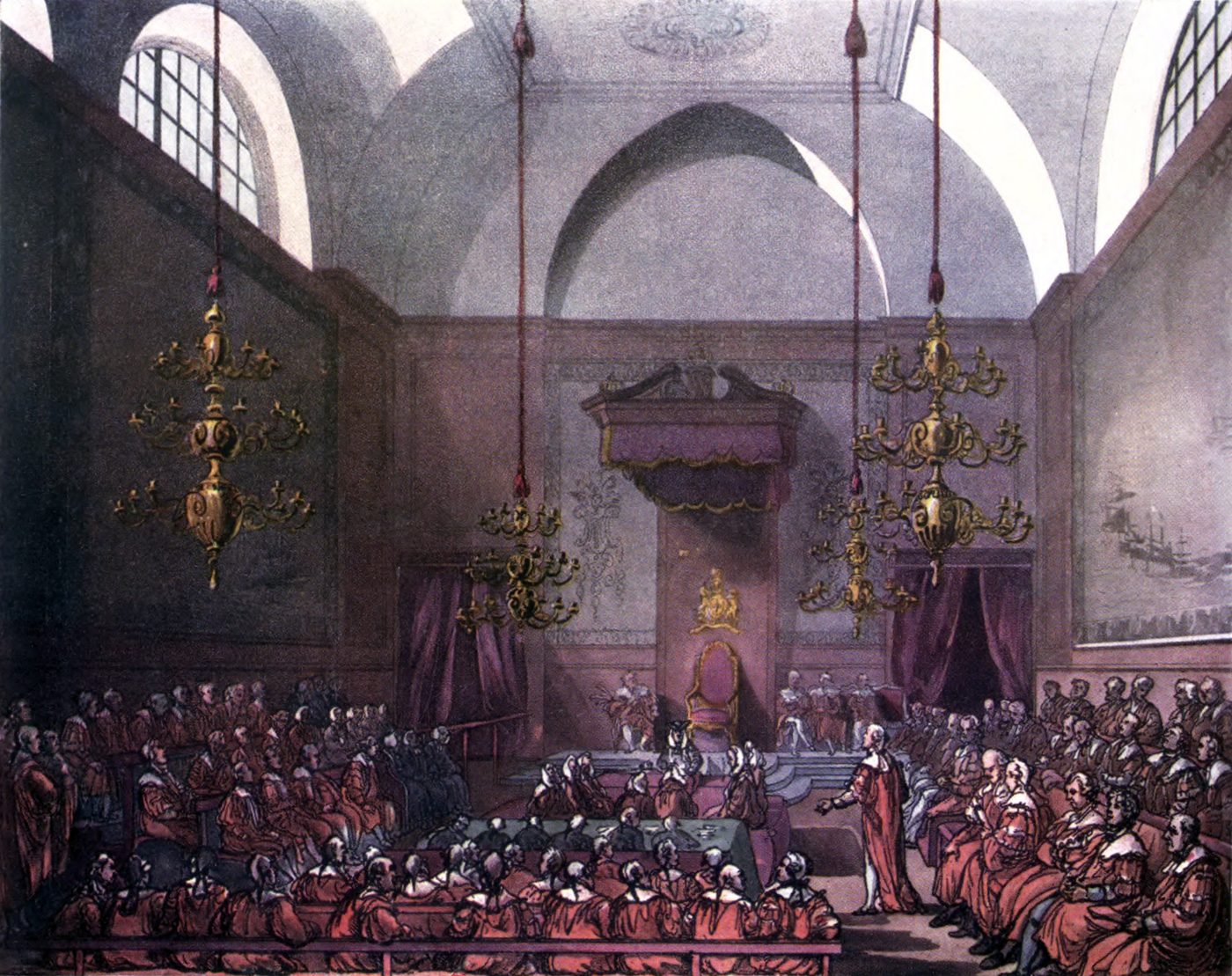
New York took the narrower route. An 1886 law directed the state’s Superintendent of Insurance to prepare a standard fire policy, and that policy’s dispute provision addressed the amount of loss rather than the rights of the parties.
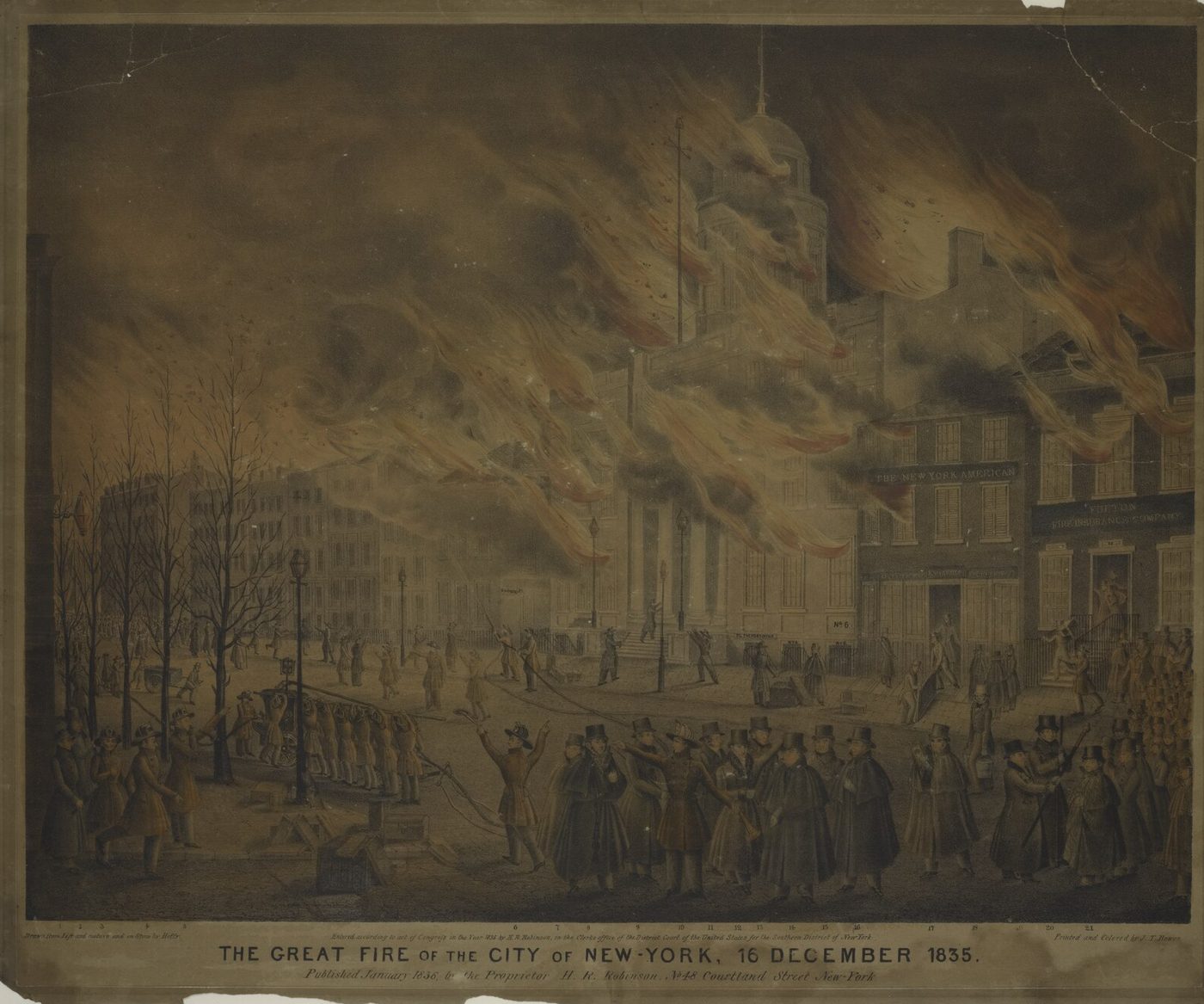
In 1890 the U.S. Supreme Court settled the point. In Hamilton v. Liverpool, London & Globe Insurance Co., the policy sent differences over the amount of loss to two impartial persons, one chosen by each side, with an umpire if they could not agree, and made a written award of any two binding as to the amount. The Court held the clause valid and treated the appraisal as a condition that had to be met before suit. Its reasoning was that the clause left “the general question of liability to be judicially determined” and only supplied a reasonable method of estimating the loss.
That is the arrangement still in place. Appraisal decides the amount, and the courts keep everything else.
Standardization: 1918 and 1943
In 1916 the National Convention of Insurance Commissioners approved a standard fire policy, and New York adopted it effective January 1, 1918. New York then wrote the policy out in full in its statutes in 1942 and re-enacted it in 1943. That 1943 form, 165 numbered lines long, became the model for fire policies across the country.
Its appraisal paragraph, lines 123 through 140, will look familiar to anyone who has read a modern homeowners policy:
- If the insured and the company fail to agree on the actual cash value or the amount of loss, either may demand appraisal in writing.
- Each side selects a competent and disinterested appraiser within twenty days.
- The appraisers select an umpire. If they cannot agree on one within fifteen days, a judge appoints one.
- The appraisers state actual cash value and loss separately for each item and submit “their differences, only” to the umpire.
- An itemized award signed by any two of the three determines the amount.
In 1931 the Supreme Court took up whether a state could require that clause in every fire policy. In Hardware Dealers Mutual Fire Insurance Co. v. Glidden Co., it held that the appraisal clause in Minnesota’s standard policy did not violate due process. The Court noted that the provision had long been inserted by insurers voluntarily, and that the amount of loss is often the only point in dispute.
The modern policy
Today’s homeowners and commercial property forms carry a descendant of the 1943 paragraph. The wording has shifted, and many policies now call for a competent and impartial appraiser rather than a disinterested one. Deadlines vary by form. The structure has not changed.
Colorado has added its own chapter. The Division of Insurance’s Bulletin B-5.26 sets out what it expects of appraisers and umpires, including that an appraiser have no financial interest in the outcome. In 2019 the Colorado Supreme Court held in Owners Insurance Co. v. Dakota Station II Condominium Association that an appraiser who must be impartial may not act as an advocate for the party that appointed them. In 2021 the Tenth Circuit, applying Colorado law in BonBeck Parker, LLC v. Travelers Indemnity Co., held that the amount of loss includes whether the storm caused the disputed damage.
Why the history matters
The limit that frustrates some policyholders, that appraisal will not decide coverage, is the same limit that made the clause enforceable in the first place. The courts accepted appraisal because it left liability to them. A clause that tried to decide everything would have been treated as an agreement to arbitrate the whole claim, and for much of this history that kind of agreement was hard to enforce.
The other thread runs through the appraiser. The 1890 policy called for impartial persons, the 1943 form for disinterested appraisers, and Colorado’s bulletin and the Dakota Station decision for appraisers who determine the loss rather than argue for a side. From the London merchants of 1601 to today, the expectation has stayed the same: the appraiser’s job is to find the amount of the loss, fairly.
Images are public domain, via Wikimedia Commons and the New York Public Library. This article is a general history of the appraisal clause. It is not legal advice, policy wording controls, and the rules differ from state to state.